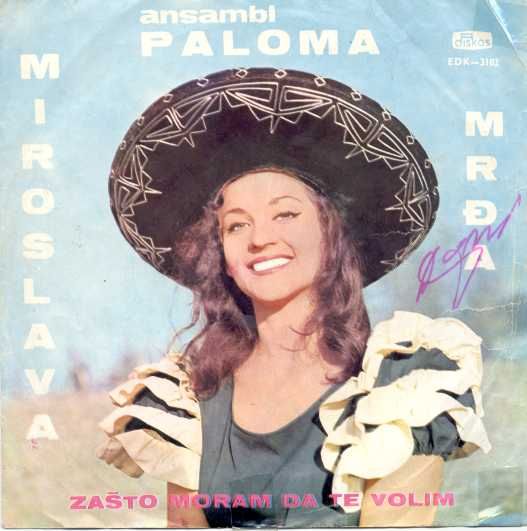
What comes into your mind when you think of 1950s Yugoslavia? I bet you’re not imaginging them walking around singing Mexican music and wearing sombreros. If you are, well done, nice knowledge. If you’re not, prepare your brain to take this in, because it is pretty cool, very random and incredibly interesting.
So far in this ‘AROUND THE WORLD’ series, we have already chatted about City Pop in 1980s Japan, as well as Soviets printing forbidden music onto literal x-rays. But this might be the most random one yet. Let me take you through the story of how Mexican music and culture took Yugoslavia by storm throughout the 1950s and 60s.
Lets start with a quick history lesson. Once World War II finished in 1945, Yugoslavian culture was a shell of itself. The music and film industry in the country was virtually defunct. Josip Broz Tito was the leader of the country, and much like Stalin in the Soviet Union, he did not want any American culture infiltrating his state. No films, no music, nothing. This meant the majority of films and music consumed by the Yugoslav public came directly from the Soviet Union.
But then 1948 happened. Due to an apparent ideological dispute and geopolitical struggle in the Balkans, the Tito-Stalin split left the two countries far apart. All of a sudden, Tito wouldn’t even allow Soviet culture to enter his country. He had truly bordered off his country from all outside culture. Well almost all.
Tito turned to Mexico. There’s no obvious link between Yugoslavia and Mexico, infact there’s really no link at all. Very different people, culture, weather, everything. But there was one similarity which the Yugoslavs saw with the Mexicans. Many ‘golden age’ Mexican films glorified the Mexican revolution. Seeing as WWII was still in the memory of all Yugoslav citizens, they drew parallels between the struggle of Yugoslav partisans throughout the war and the Mexican guerrillas who fought in the countries revolution. This grabbed the attention of the Yugoslavs.
Films were the first form of culture to make the jump between the two countries. The 1950 drama, “Un Día de vida“, was the first movie to break into the Yugoslav mainstream. A film which centered around the execution of a rebel during the Mexican revolution resonated heavily with the Yugoslavians. Even today, many older citizens of ex Yugoslav countries regard it as one of the most well known films of all time. In reality, it’s completely forgotten everywhere, even Mexico. Everywhere apart from the Yugoslav countries of course.
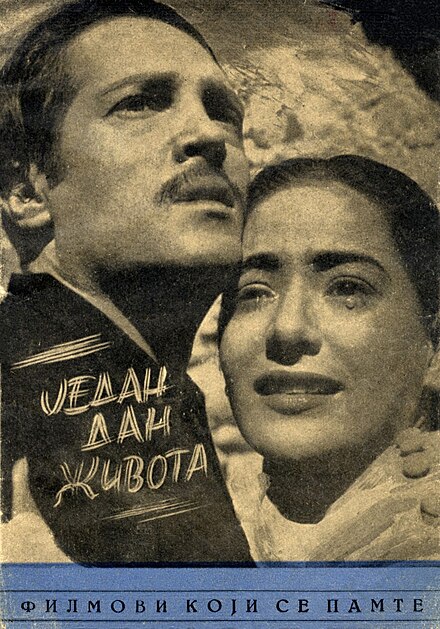
Once Mexican film grabbed the countries attention, there was no letting go of it. Many Mexican comedies, romances and dramas became incredibly popular throughout Yugoslavia. This led to Mexican culture bleeding through into the citizens of Yugoslavia. Many young Yugoslavs saw these Mexicans film stars as the embodiment of everything ‘cool’. All of a sudden you’d walk to your local flea market and see everyone wearing sombreros and listening to mariachi music.
These flea markets is where the idea of Yu-Mex was bought back into the public domain. Slovenian writer, Miha Mazzini, would keep encountering these weird records at flea markets. Yugoslavians wearing sombreros and singing Mexican music. Most of this music was sang in the native Yugoslav tongue, but it was all about the country of Mexico, where most of these musicians had most definitely never been. Miha Mazzini began asking around and quickly found that many people of a certain age remember their parents listening to Mexican music. He even got an email from a Swedish DJ stating that many ex-yugoslavs would start singing Mexican songs towards the end of the night. You know how white people in this country can’t get enough of ‘Mr Brightside’ at 4am, well Mexican music is the ‘Mr Brightside’ of Yugoslavs. Best way to describe it I reckon.
Miha Mazzini has a great book called ‘Paloma Negra’ and a TV documentary called ‘Yu-Mex – Yugoslav Mexico’ if you want to learn more about this. Also check out his website, https://www.mihamazzini.com/yu-mex/. There’s all sorts of album covers and lyrics on there which show the fun insanity of this Yu-Mex revolution.
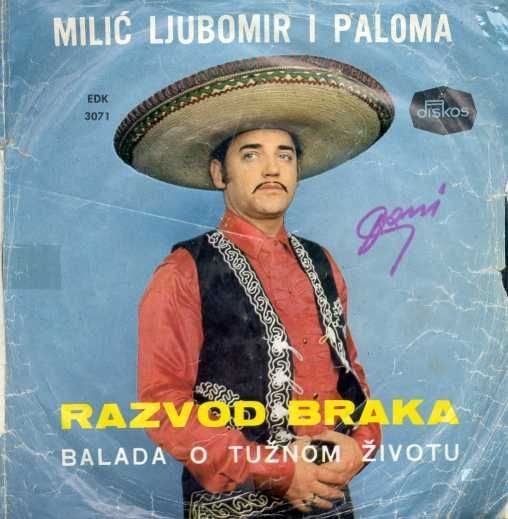
Mexican music ran rampant throughout Yugoslavia for two decades between 1950 and 1970 before it inevitably began to die out, much like Japanese City pop and music on Russian x-rays. Some examples of musicians who embodied this time include; Nikola Karovic, Slavko Perovic, Ljubomir Milic and Ana Milosavljevic. Don’t worry, there’s no reason why you should have heard of any of them, maybe unless you’re from an ex Yugoslav country. But if you can find a way of checking them out, be sure to.
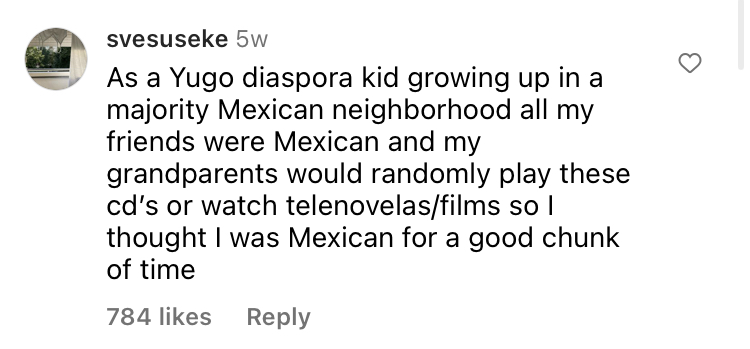
You might be wondering where I even heard about this phenomena. Well I was aimlessly scrolling Instragram and came across a post by the page, ‘depths of wikipedia’. There were a couple cool, little personal stories I found in the comments which I’ll share with you below.

If you have kept up with the ‘AROUND THE WORLD’ series so far, firstly cheers, but I am sure you’ve started to notice some common themes and similarities. It always seems to be about the citizens of a stagnating country and culture looking for something to brighten their lives up abit. It’s always abit random, it never lasts forever but it does bring hope and joy to citizens who are struggling to cope. This was not intended by me. I’m not attempting to link all eras of music with each other through some bleak, anti-establishment lens. I’m just telling it how it is, I’m learning with you. Lets see where we go next.
Ciao for now, see you next time 🙂



 the.jukeboxx
Leave a comment